Laundry is the chapter most likely to spill into other rooms. Chairs become folders; floors become sorters; clean and dirty become a single ambiguous pile. Wash-day sorting pages keep textiles circulating so the rest of the house journal can stick. Whether you have in-unit machines, a basement pair, or a laundromat bus ride, the grammar is circulation — not perfection.
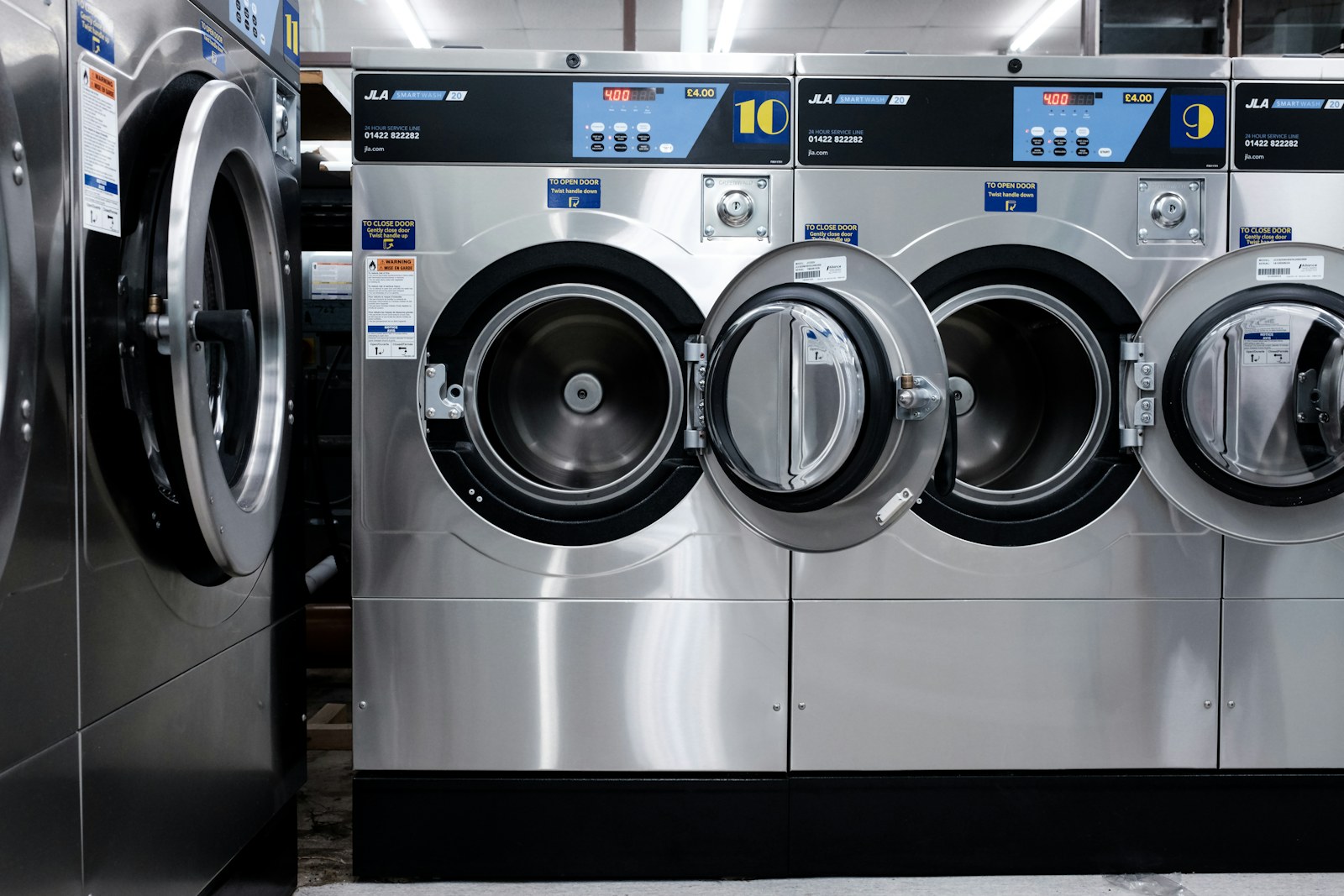
Sort before the machine argues
Lights, darks, towels — three piles beat seven abandoned intentions. Sports synthetics and mud deserve separation even when you simplify everything else. Pretreat obvious stains at sort time. Households with shared machines add etiquette and timers; bring a bag that stands open and fold before wrinkles set a secondary project in motion.
In-unit tops of machines are horizontal dust planes — wipe them. Lint traps emptied each dry cycle are safety and scent. Detergent spills recreate kitchen stickiness in a room that should smell like almost nothing.
The fold window
- Hang structure pieces immediately — anything that fights wrinkles.
- Fold soft stacks consistently — calm drawers are visual quiet.
- Return in one trip — half-trips recreate clutter paths.
- Donation bag lives here — items exit during fold, not during mythical future overhauls.
Name the chair that collects clothes, then retire it from that job on wash day. One compact hamper beats an infinite interim furniture role.
Sheets, towels, travel bags
Strip beds early on journal day; wash; remake with the second set so bedrooms participate in the house’s restored atmosphere. Unpack travel bags within a day. Seasonal textiles should not inflate every Saturday’s machine count — store them clean. Batch loads if your schedule is chaotic; then hard-stop when baskets are empty so a “quick load” does not reopen the colony.
Walk bedroom and living room once for stray towels at the end. Laundry is unfinished while textiles still decorate other chapters. When circulation works, every other essay on this site becomes easier to live.
Apartment realities
Shared laundry rooms punish delay. Scent transfer happens; extra rinses help sensitive households. Fold on a lobby table if needed rather than dragging damp mountains home. The journal standard is closed loops: dirty to clean to stored — without chair museums in between.
Stains, sports, and the honest pile
Youth sports and gym routines introduce mud and synthetic odor that defeat casual mixed loads. Hang gear to dry before it enters the hamper or the hamper becomes a smell source no weekly circuit can outrun. Delicates and sweaters may need flat drying — circulation still matters more than fashion curation.
Items that never leave the “maybe” chair enter the donation bag during fold time. Travel bags after trips unpack within a day so suitcases do not become mobile clutter engines across bedroom and closet chapters simultaneously. Keep lint bins emptied; scorched lint smell is an editorial failure you can smell from the hallway.
Batching two machines on journal day often beats trickle loads that never get folded. Pair batching with a hard stop: when the last basket empties, laundry is done. Opening a “quick load” restarts colonization. Walk the bedroom and living room once for strays. Textiles decorating other rooms mean the wash-day page is still open.
Apartment laundry adds timers and etiquette; fold before you leave the building when you can. In-unit households still fail when machines become storage. Clear the tops, circulate the clothes, close the loop. That is how laundry stops defeating every other room essay on this site.
Sheet day paired with the circuit
Many households change sheets on the same day as the room circuit. Strip first, start machines, remake with the second set while the first washes. Bedrooms then join the house’s restored atmosphere instead of waiting until Sunday night panic. Towels follow the same closed loop: replace, wash, fold, return.
Hamper geography
Where hampers live determines whether laundry colonizes bedrooms. A hamper in each bedroom plus a rule that floors are not hampers beats a single heroic basket that overflows in the hall. Mesh bags for delicates inside the hamper prevent last-minute sorting fights at the machine. Sports gear gets its own bin that can air out — sealed plastic bins for sweaty clothes are odor incubators.
Folding while watching something familiar can help, but only if the fold station is not the sofa you need afterward for resting. A cleared dining table end or a laundry room shelf keeps the living chapter from inheriting wash day. Return stacks to drawers in one trip; abandoned hallway piles are how clean clothes become visual clutter indistinguishable from dirty ones.
When machines fail or building laundry is crowded, lower the standard to towels and essentials first rather than abandoning the page entirely. A partial closed loop beats an open chaos spiral. Note the constraint in your head like a journalist would: conditions changed, scope narrowed, integrity kept. That mindset is the difference between a journal and a guilt ledger.
Measure success by empty surfaces, not by perfect folds. A stack in the drawer beats a sculpted towel display on a chair. Wash-day pages earn their place in the house journal when textiles stop arguing with every other room. Tomorrow’s circuit will thank you for closed loops more than for corners folded like a boutique.