Edges decide whether outdoor life stays outside. Coat hooks, shoe zones, porch mats, and closet floors are the first and last pages of a domestic journal. When they fail, grit and orphan bags migrate inward and quietly undo every floor sentence you wrote. This chapter treats thresholds as rooms — small, high-traffic, worth ten focused minutes.
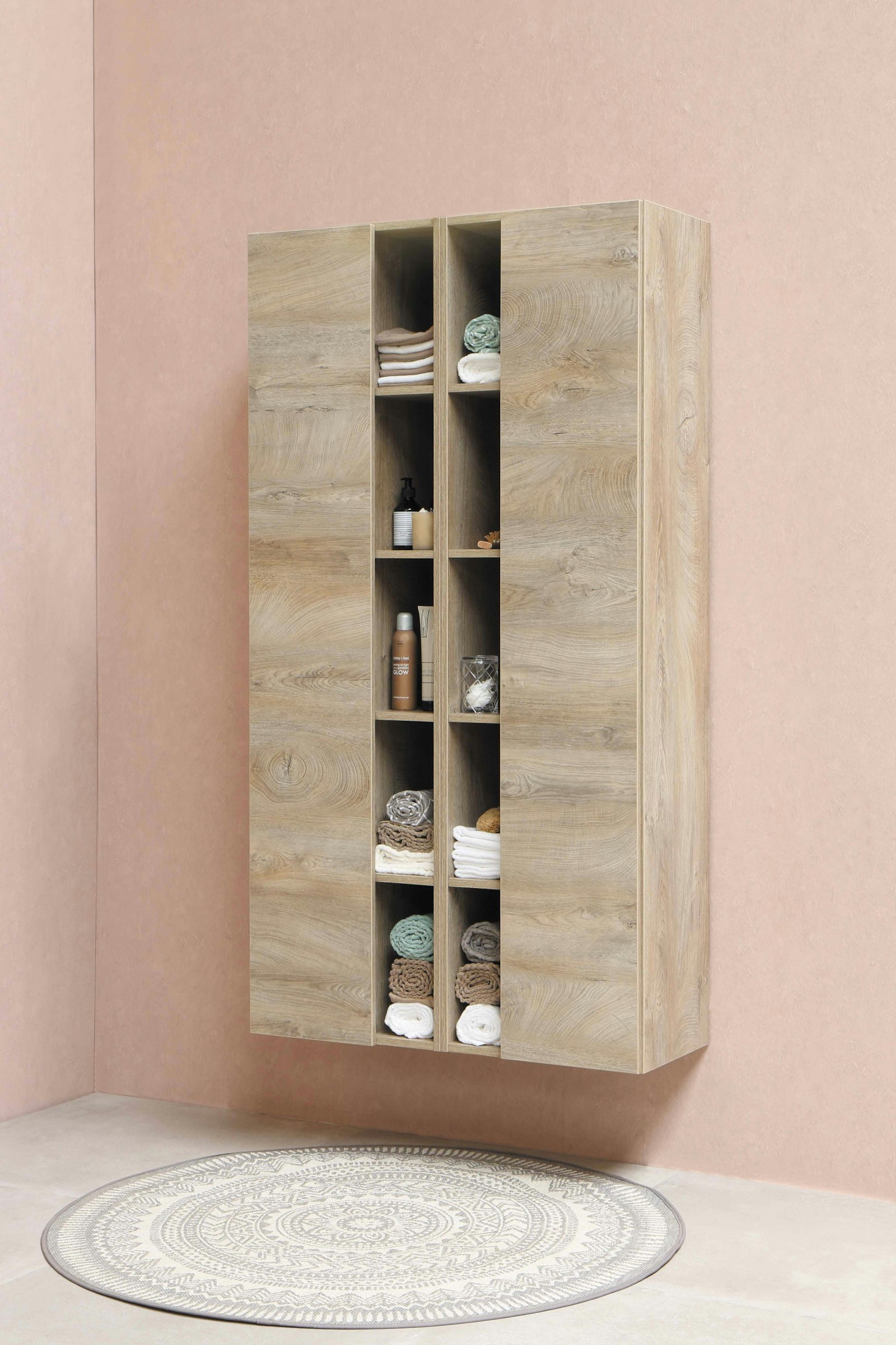
Entry anatomy
Most American entries need three zones: stand, shoes, hang. When zones blur, coats colonize stair rails and bags colonize chairs deeper inside. Weekly, empty the catch-all surface. Mail sorted, keys on one hook. Vacuum or shake mats; compacted mats sandpaper floors. Porch landings get a quick sweep so pollen, salt, or mud does not ride soles inward.
Closets as weekly participants
- Floor clear — shoes paired or binned; nothing else living there.
- Hooks enough but purged — daily layers plus two guest hooks.
- Shelf dust — the forgotten reservoir above coats.
- Donation continues — coats and bags exit here too.
Keep a small brush or handheld vacuum at the entry. Weekly grit work is easier when the tool already lives where grit arrives.
Deliveries, nights, seasons
Break down cardboard the day it arrives when you can; weekly, purge “maybe keep this box” stacks. Late returns are entropy’s favorite hour — a small lamp and a bag hook reduce midnight drop zones. Strollers and sports totes need defined homes or they become hallway sculpture. Rotate seasonal bins at the entry during a weekly pass rather than in a chaotic annual dump.
In shared buildings, keep your threshold side of the door clear; wipe the interior handle as a high-touch edge. Photograph the entry once a season — the photo shows noise you stopped seeing. Edit from the image. When edges are honest, the morning circuit has a matching first and last page, and the clean kitchen stops being a temporary island.
Psychology of arrival
A calm entry tells the household the rest of the house is possible. Mixed shoes-on/shoes-off norms need a written edge policy or Saturday resentment writes itself. Umbrella trays protect wood. Tiny decorative mats that miss actual strides are denial in fabric form. Ten honest minutes here protect the hours already spent on every other journal chapter in this site.
Night returns and seasonal bins
Late arrivals kick shoes midway and drop bags on the first horizontal surface. A small lamp and a dedicated bag hook reduce midnight entropy so weekly edge work is maintenance, not archaeology. Seasonal glove bins and sunscreen bins at the entry reduce scatter — rotate them during a weekly pass rather than in a once-a-year avalanche.
Too few hooks guarantee chair piles deeper inside; too many hooks without purge become coat museums. Aim for daily outer layers plus two guest hooks. Lift-top benches hide chaos until they will not close — weekly, restore the top layer; monthly, empty fully. Shoe families multiply; a rule like one pair per person at the entry keeps the threshold human-scaled.
Package culture turns cardboard into temporary furniture. Break boxes down when you can; weekly, purge the “I might need this box” stack. Umbrella trays protect wood. Photograph the entry once a season and edit from the photo — outside eyes catch noise you stopped seeing.
Edges are emotional. A calm door tells everyone the rest of the house is possible. Ten minutes here seal the morning circuit’s first and last pages. Leave edges chaotic and every clean kitchen becomes an island waiting to be invaded by grit. That is why Online USA Page Journal ends so many walks at the threshold.
Fire codes and neighbor courtesy
Apartment hallways have rules; keep your door’s public side clear. Interior handle wipes matter as high-touch edges between public and private. Strollers and golf bags need defined storage or they become permanent sculpture in circulation paths. If an object cannot live cleanly at the edge, it belongs deeper in storage — not in the sentence everyone walks through daily.
The first three feet doctrine
If you protect only one floor zone in a brutal weather week, protect the first three feet inside the door. Vacuum them midweek. Shake the mat. Wipe the handle. That tiny doctrine prevents salt, mud, and pollen from becoming a whole-house grit narrative by Saturday. Edges are leverage: small effort, large downstream calm.
Label hooks lightly if multiple people share them — not as bureaucracy, as friction reduction. A hook that “belongs” to no one becomes a coat landfill. Kids’ backpack hooks at their height prevent floor bag mounds. Delivery drivers will still leave packages awkwardly; your job is the thirty seconds after you open the door, not controlling the outside world.
Once edges are reset, walk five steps inside and look back toward the door. You should feel the house begin cleanly. That feeling is the entry journal’s deliverable. Pair it with the floor journal and the morning circuit and you have a domestic system that survives ordinary American chaos without pretending chaos never visits.
Close the entry chapter by stepping outside for three seconds and walking back in. You will feel what guests feel. If grit announces itself immediately, the mat or shoe zone still needs a sentence. Fix that, then stop. Thresholds are leverage points: get them roughly right and the interior journal stays readable far longer than the effort seems to deserve.