Living rooms hold soft evidence: throw blankets mapped to bodies, remote batteries in a bowl, a fine film on the media ledge that only appears when afternoon light cuts across the screen. The sofa-zone journal is about dust paths and textiles — how American living rooms actually accumulate a week — without requiring you to redesign furniture for a photograph.
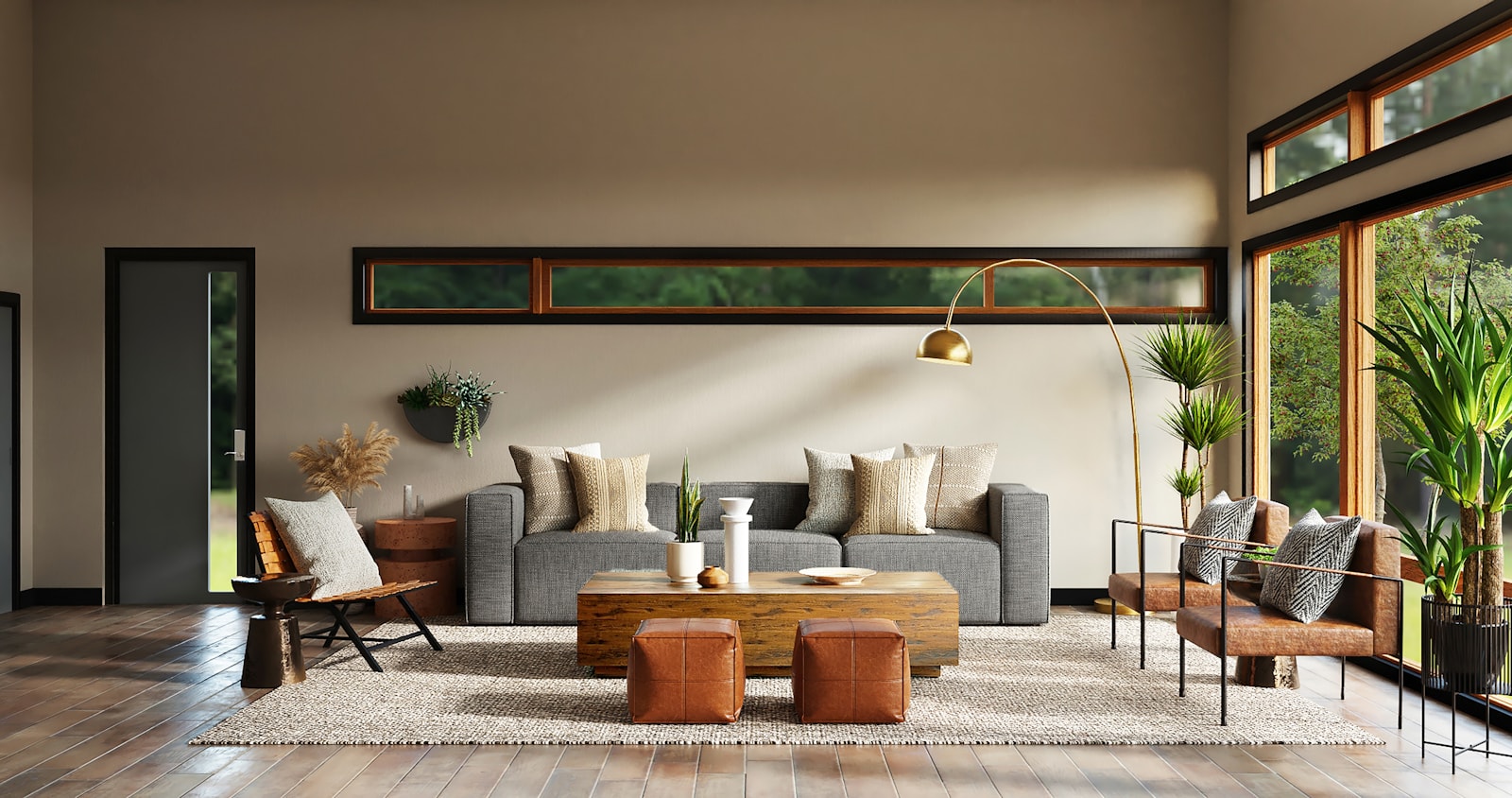
Where particles prefer to settle
Horizontal ledges near seating and floor traffic win: sofa arms, console tops, frame tops, the rear edge of the coffee table. HVAC returns gray first at baseboards. Pets rewrite the textile paragraph entirely — shake throws, vacuum crevices, accept that soft surfaces are half the room’s story. Electronics attract dust; dry microfiber on screens and grills is enough weekly. Wet cloths and powered equipment do not share a sentence.
Open plans borrow kitchen film. If the week fried anything ambitious, wipe the nearest living ledges the same day. Cooking aerosols do not respect the imaginary wall between island and sofa.
Soft sequence
- Remove and shake — throws, then easy cushion covers.
- Vacuum upholstery crevices — crumbs migrate during movie nights.
- Wipe hard ledges — console, lamps, remote tray.
- Floor paths — traffic lanes, then under-sofa edges.
Once a month, slide the sofa a foot and vacuum the hidden strip. Weekly journals skip this; monthly edge work prevents the “we cleaned but it still feels dusty” paradox.
Warm lamps versus honest daylight
Evening-only dusting lets dark shelves gray for weeks. Wipe ledges while daylight still reaches them; vacuum floors later if needed. Rotate throw sets on journal day beside laundry. Keep one tray as the living room’s daily kit and empty it weekly. If the room doubles as a desk, close the work kit so the space stops visually asking for labor.
Sit in the primary seat for thirty seconds at the end. Fix the one tell your eye catches — dead leaf, cable nest, battery graveyard. Atmosphere is the last line of this chapter. When soft zones feel rested, the house’s social page is legible again.
Sound, scent, air
Crack a window when weather allows; air exchange is part of the journal. Mantels and vent surfaces collect gray even in unused fireplaces. Bookshelves need a light front-inch wipe weekly if deeper dusting is monthly. The living room is where households notice their own unfinished sentences while trying to relax — clearing them is kindness, not performance.
Screens, plants, and the work-from-sofa era
Large televisions announce neglect in evening lamp light; a weekly dry wipe changes the whole wall’s tone. Houseplant saucers shed soil fines — check them during the living pass. Ceiling corners near returns show cobwebs first in older houses; a monthly telescoping duster keeps weekly work from feeling futile.
Board games, chargers, and remotes recreate counter clutter on coffee tables. One tray as daily kit, emptied weekly, prevents orphan object fog. If the living room is also an office, close the laptop and coil cables at journal time so the room stops asking for labor while you try to rest.
Fireplace mantels — even decorative ones — are living-room skyline. Wipe them. Floor vents collect lint that then blows gray across dark floors; vacuum vent surfaces especially in carpeted homes. Rotate two throw-blanket sets if textiles define your evenings: one in use, one clean, swapped on journal day beside laundry.
End seated. Thirty seconds in the primary chair will reveal the one sentence still unfinished. Fix it. Soft zones that feel rested give the household permission to inhabit the room without a background list humming at the edge of attention — which is the whole point of this journal page.
Monthly edges inside a weekly page
Weekly journals skip under-sofa strips and deep shelf dust; monthly passes catch them. Knowing which sentences are weekly versus monthly prevents guilt when you skip what was never meant for every circuit. Mark a calendar once. The living room then stops accumulating invisible debt between sofa legs.
Remote trays and the culture of half-done
Living rooms specialize in half-done states: a blanket half-folded, a candle half-burned, a puzzle half-finished on the coffee table for eleven days. The textile journal does not outlaw projects; it contains them. One tray for remotes and chargers, one basket for active crafts, and a weekly empty of anything that is truly orphaned keeps the room from becoming a museum of interruptions.
Dark fabric shows lint; light fabric shows stains. Vacuuming upholstery weekly on the main seating piece matters more than fluffing every pillow to magazine angles. If you host often, do the sofa-zone pass the morning before guests rather than inventing a separate panic clean — same page, different deadline.
Acoustic comfort is part of atmosphere: dusty speaker grills look gray and can sound slightly muffled. A dry pass on grills belongs with the console wipe. When the soft zone is done, walk to the kitchen doorway and look back. Living rooms should invite you in from that angle. If they do, the journal page succeeded.
Keep the living chapter brief enough to repeat. A sofa-zone pass that takes all afternoon will be skipped next week; a focused forty minutes that restores throws, ledges, and traffic lanes will become habit. Habit is the only editor that outlasts motivation. When the room invites bare feet and quiet sitting, close the page and leave it alone until the next circuit — over-editing soft zones is how care turns into restlessness.